Intent - What does our Art and Design curriculum intend to do?
Our curriculum instils a passion for art, craft and design. Pupils study a broad and diverse range of art and artists, as well as learning the knowledge and skills to develop their own reflective art practice. They have multiple opportunities to express their own ideas and experiences both in practical tasks and discussion, and the exposure to creative industries and professions fosters curiosity in opportunities beyond the classroom.
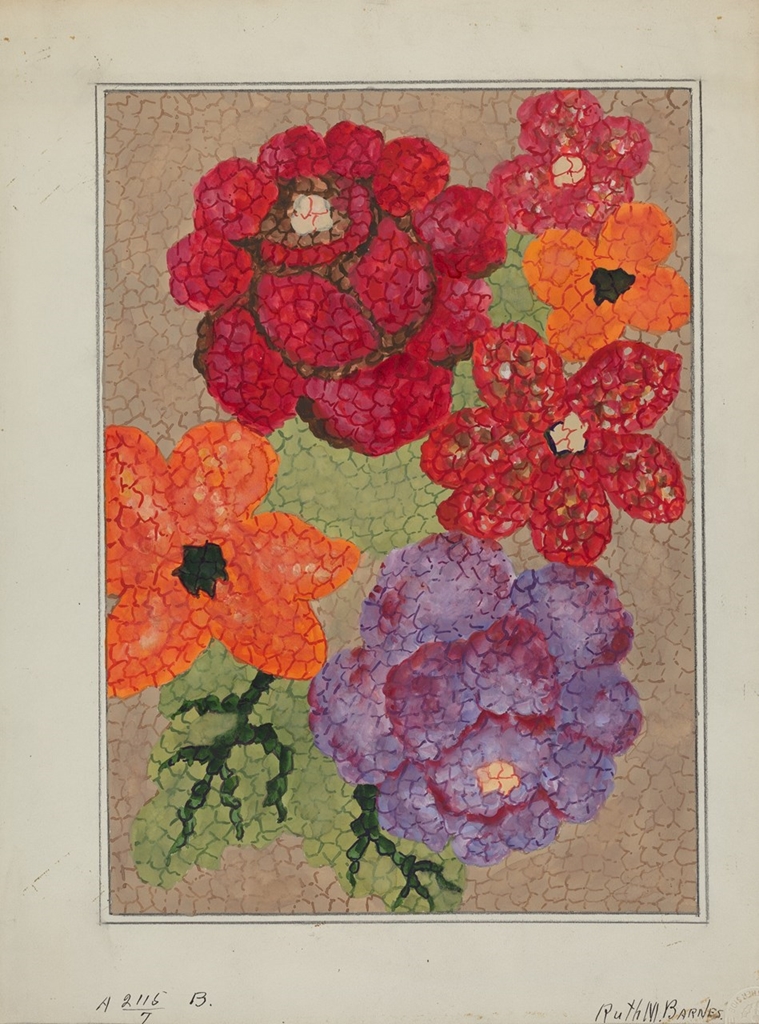
The National Curriculum aims for pupils to ‘produce creative work, exploring their ideas and recording their experiences’. Our curriculum encourages students to express themselves creatively through a variety of processes, developing their ability to communicate visually.
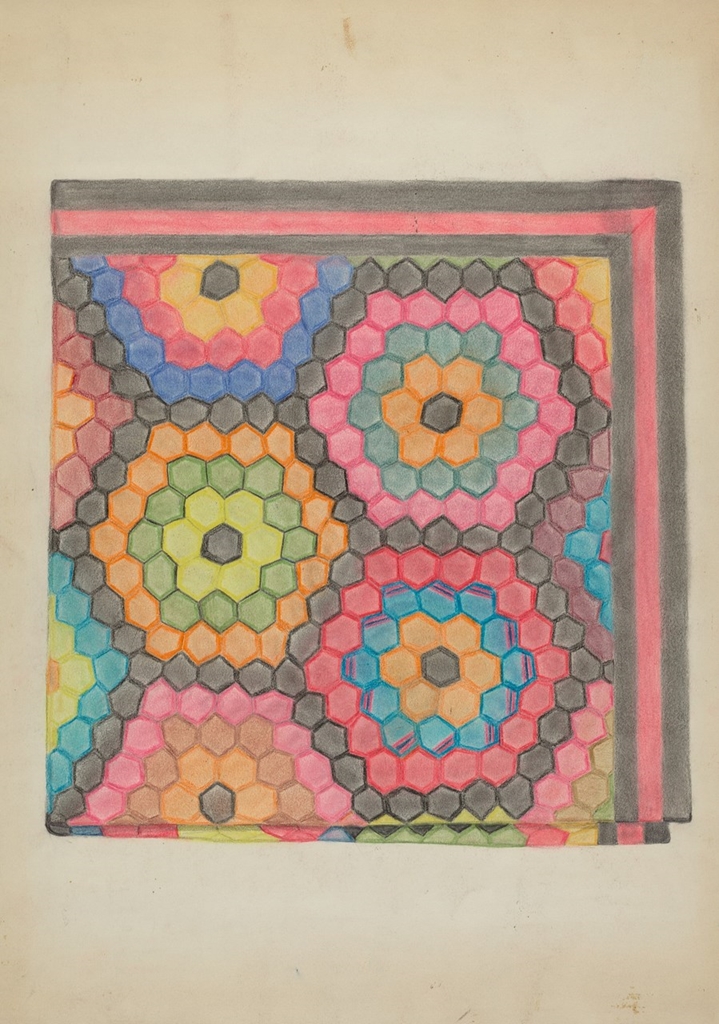
Our curriculum ensures pupils can ‘evaluate and analyse creative works using the language of art, craft, and design’ by teaching them to use art-specific vocabulary and establish criteria for self and peer assessments. This approach supports their ability to form informed opinions and engage in meaningful discussions about art. They learn to discuss and critique their own and others' work, using appropriate terminology to articulate their thoughts on artistic choices and techniques.
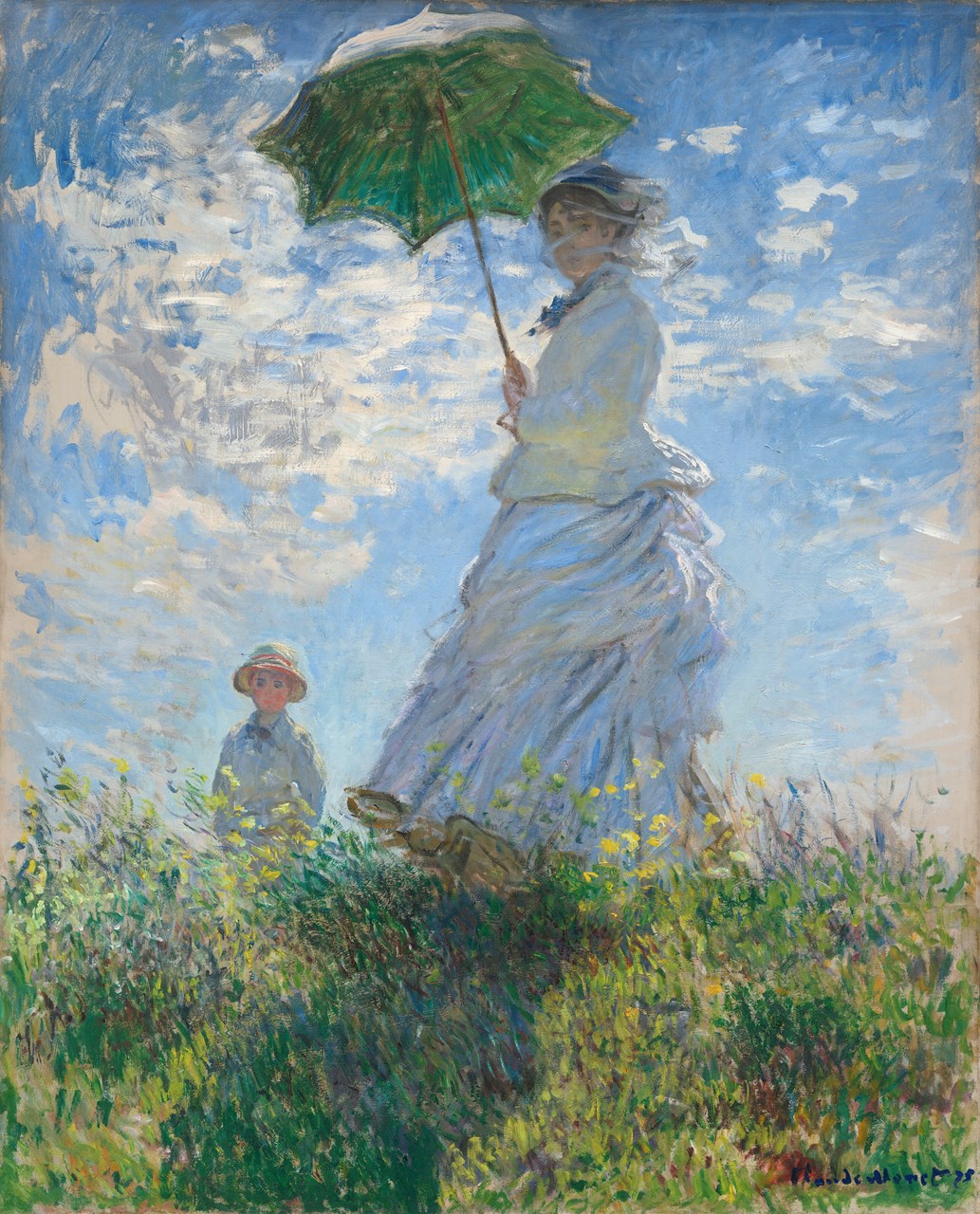
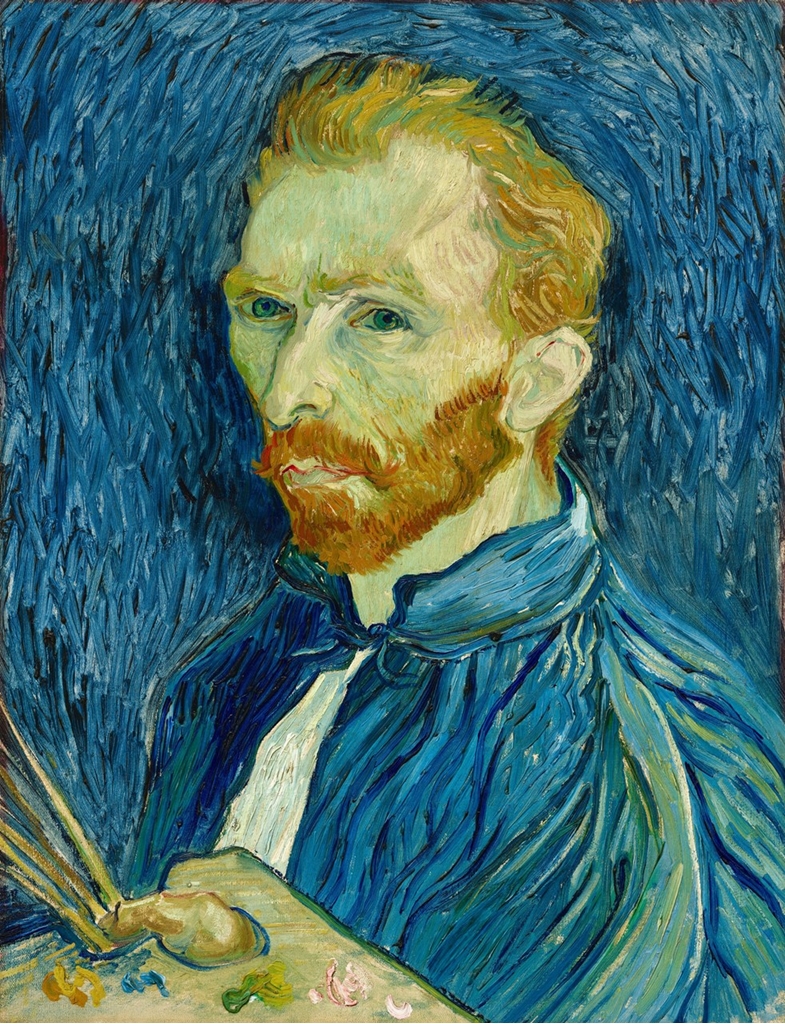
Pupils are given the opportunity to ‘know about great artists, craft makers, and designers, and understand the historical and cultural development of their art forms’.
Implementation - How is our Art and Design curriculum implemented?
We use threads to signpost groups of units that link to one another, building a common body of knowledge over time. We use the term thread, rather than concepts, themes, or big ideas, because it helps to bring to mind the visual concept of a thread weaving through the curriculum.
| Collage | Design | Digital | Sculpt |
| Draw | Paint | Textiles |
Our threads reflect the knowledge, skills and techniques that are the foundation of art, craft and design. They map the development of practical, theoretical and disciplinary knowledge of art, craft and design over time. The threads develop pupils’ knowledge, personal expression and creative skills and expose them to a range of creative industries.
Impact - What progress will children make?
At Westfield Primary School, children make progress in art and design by developing a strong appreciation for the subject, building knowledge of significant artists, architects and designers from a range of historical and contemporary contexts.
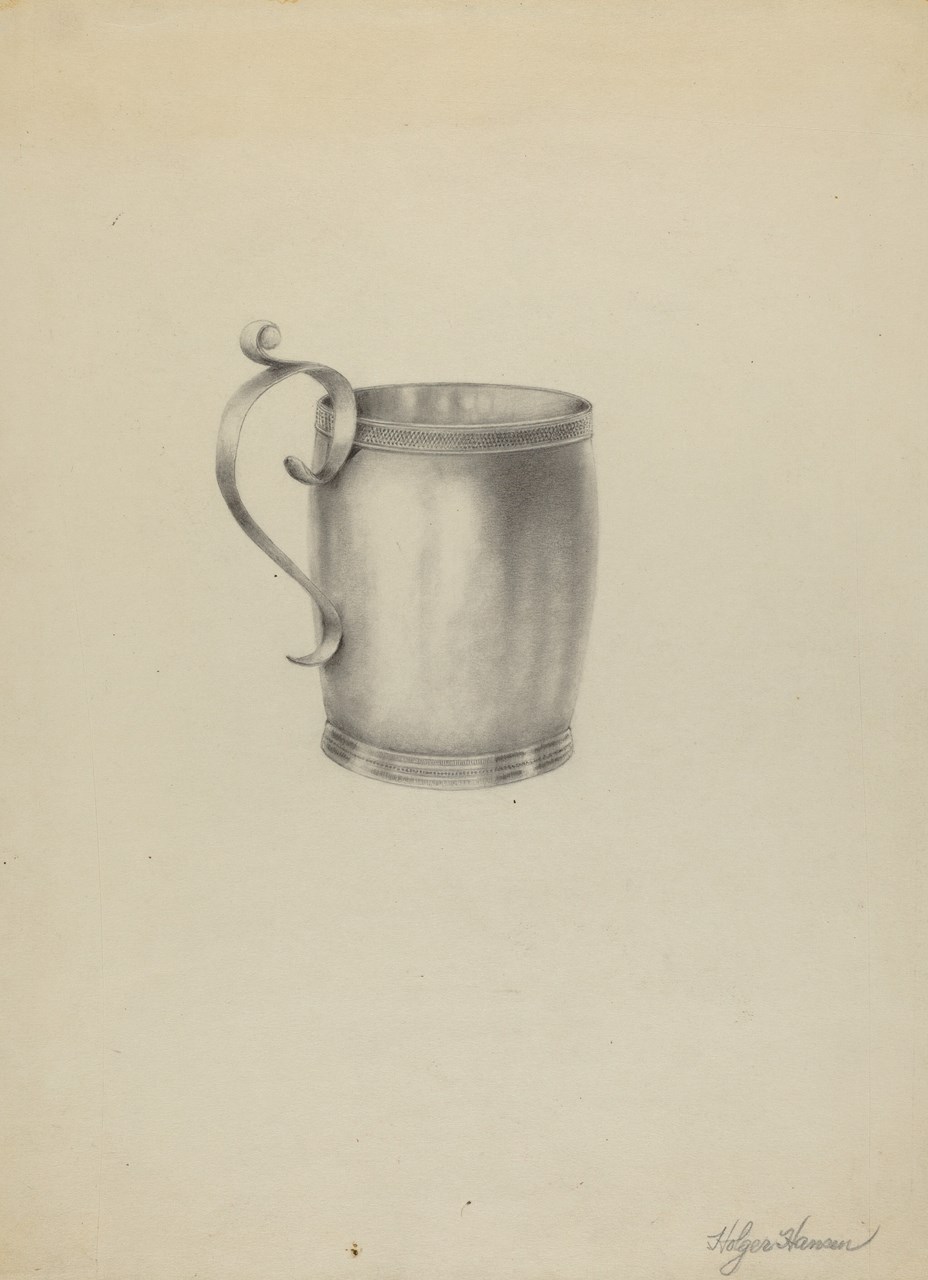
Progress is monitored through regular reviews of pupils’ outcomes and sketch books, enabling teachers to track the development of skills, knowledge and creativity over time. Ongoing assessment also takes place through lesson observations, questioning and discussions, making assessment an integral part of the learning process.
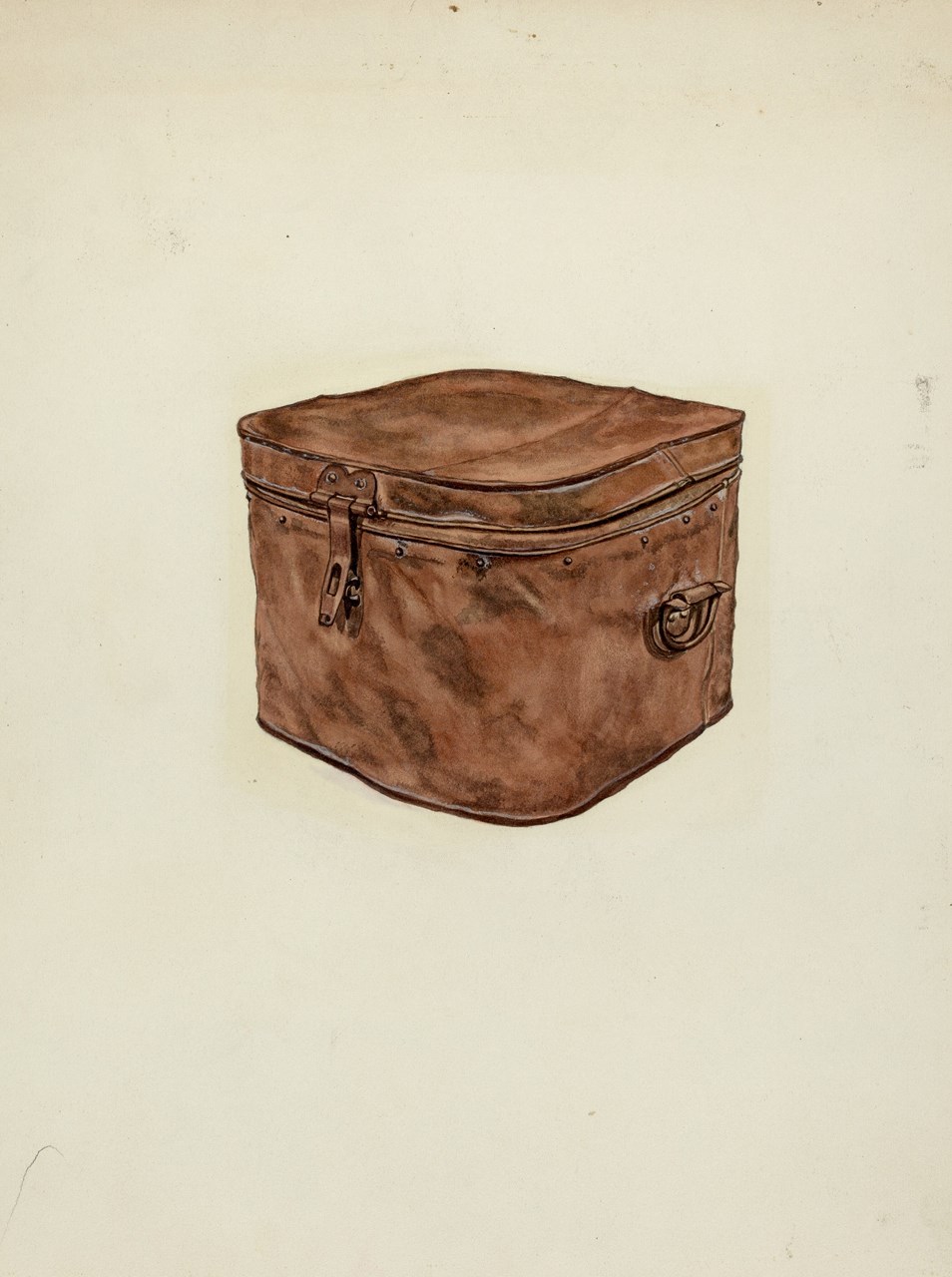
The curriculum promotes creativity, independence, critical thinking and self-reflection. As a result, children produce high-quality outcomes and confidently discuss, evaluate and reflect on their artistic journey, further developing their oracy skills. They are encouraged to share their work, explain their creative decisions and showcase the knowledge and skills they have acquired throughout their art and design education.