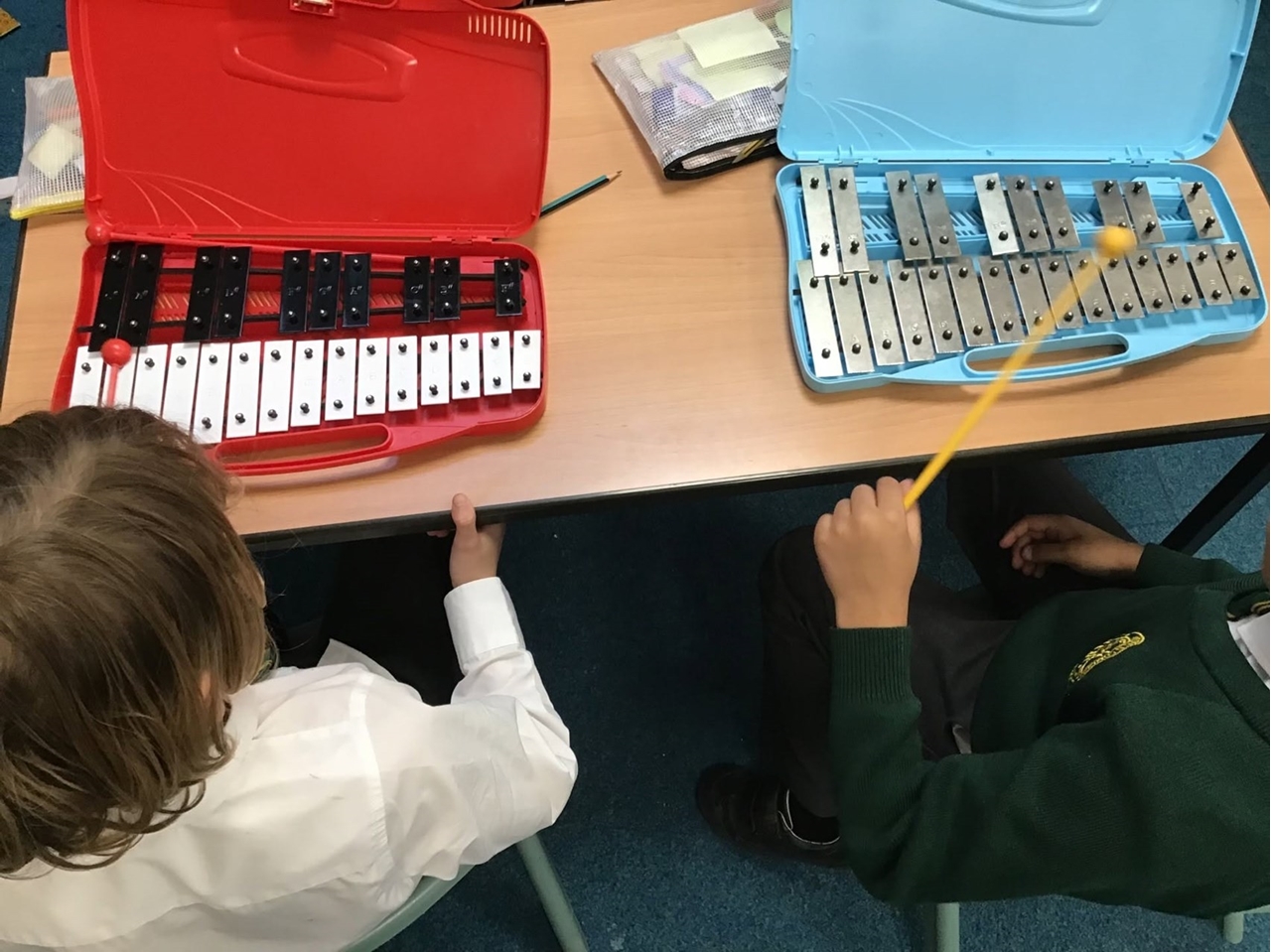
Intent - What does our Music curriculum intend to do?
At Westfield, our music curriculum is designed to inspire a lifelong love of music while developing pupils’ confidence, creativity and self-expression. Following the National Curriculum, we provide a broad and balanced music education that enables children to perform, listen to, review and evaluate music across a range of historical periods, genres, styles and traditions.
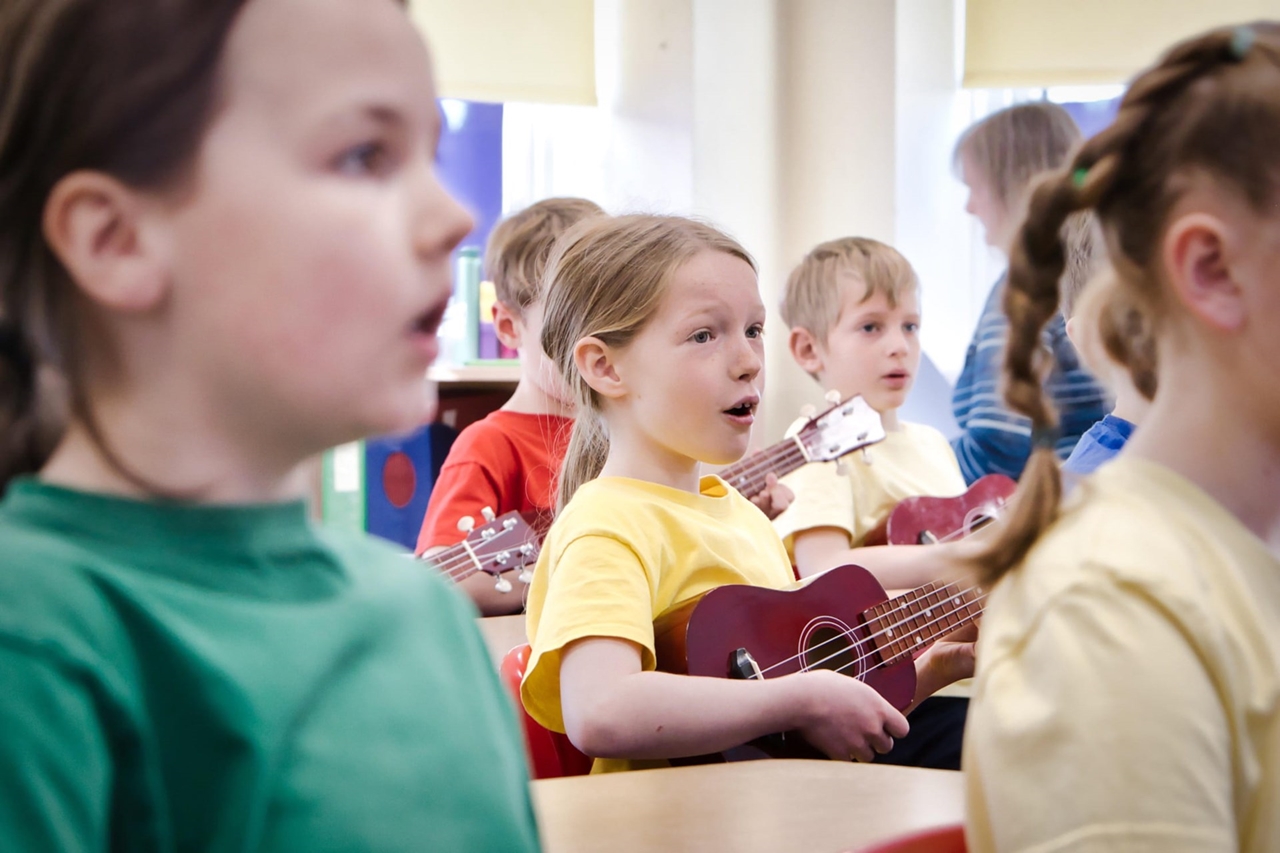
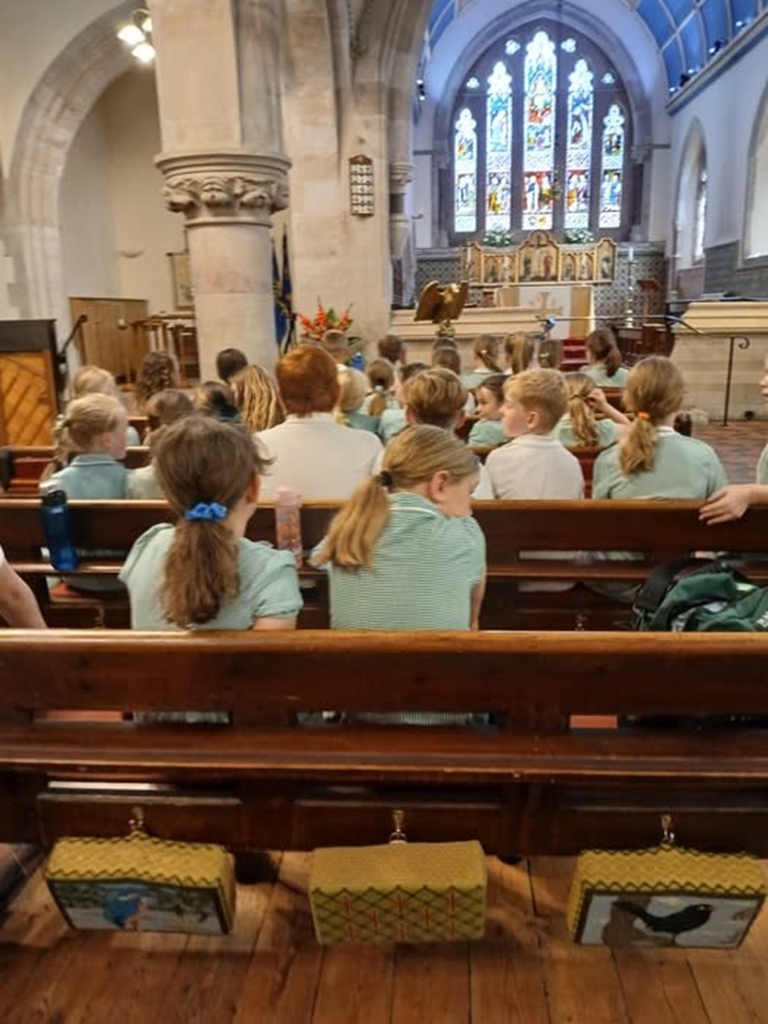
We offer lots of opportunities for children to perform, including Nativity productions in Key Sage 1, Church Carol Services in Key Stage 2, Year 6 End of Year production, instrumental recitals (ukelele and guitar) and Class assemblies.
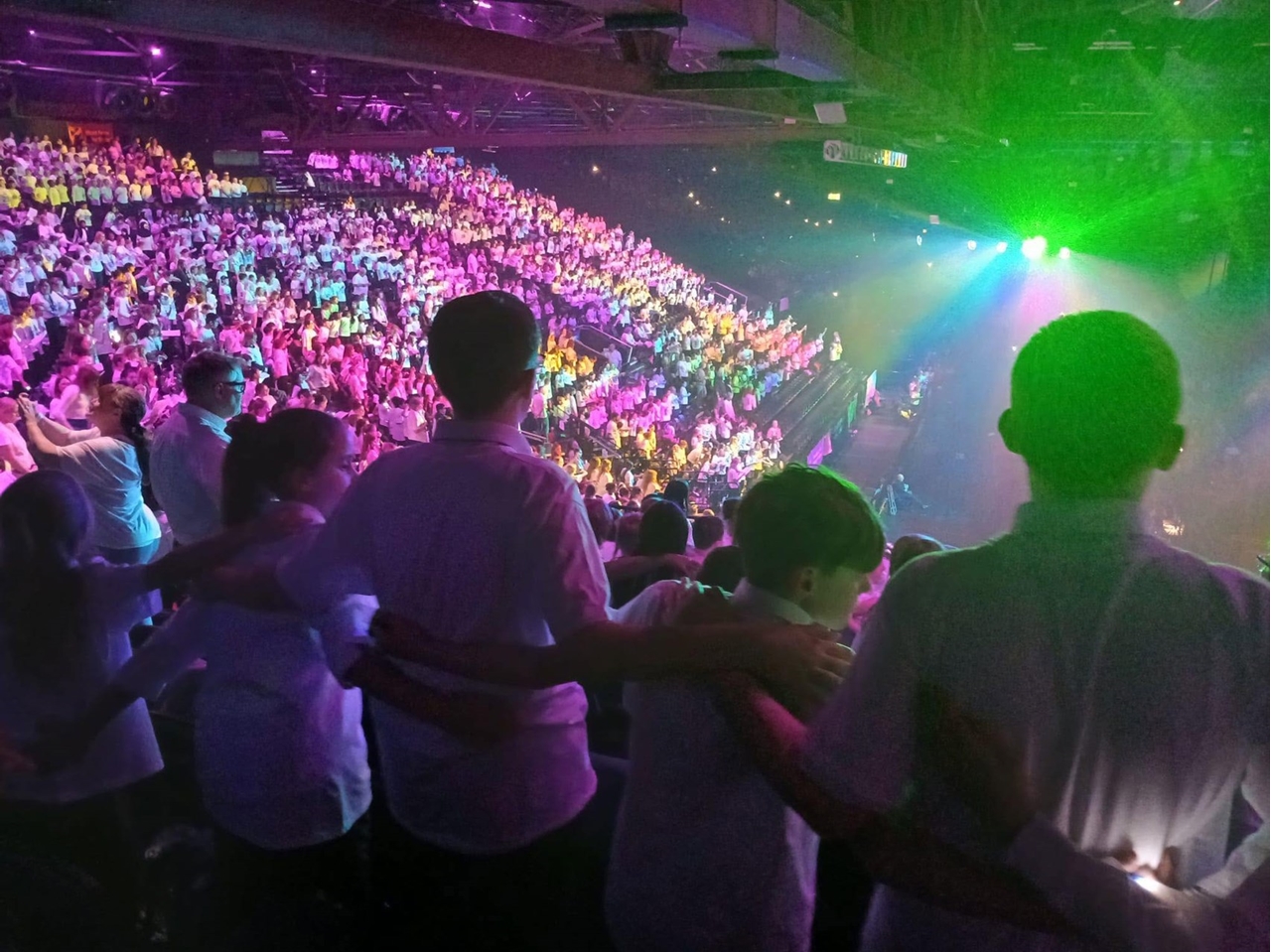
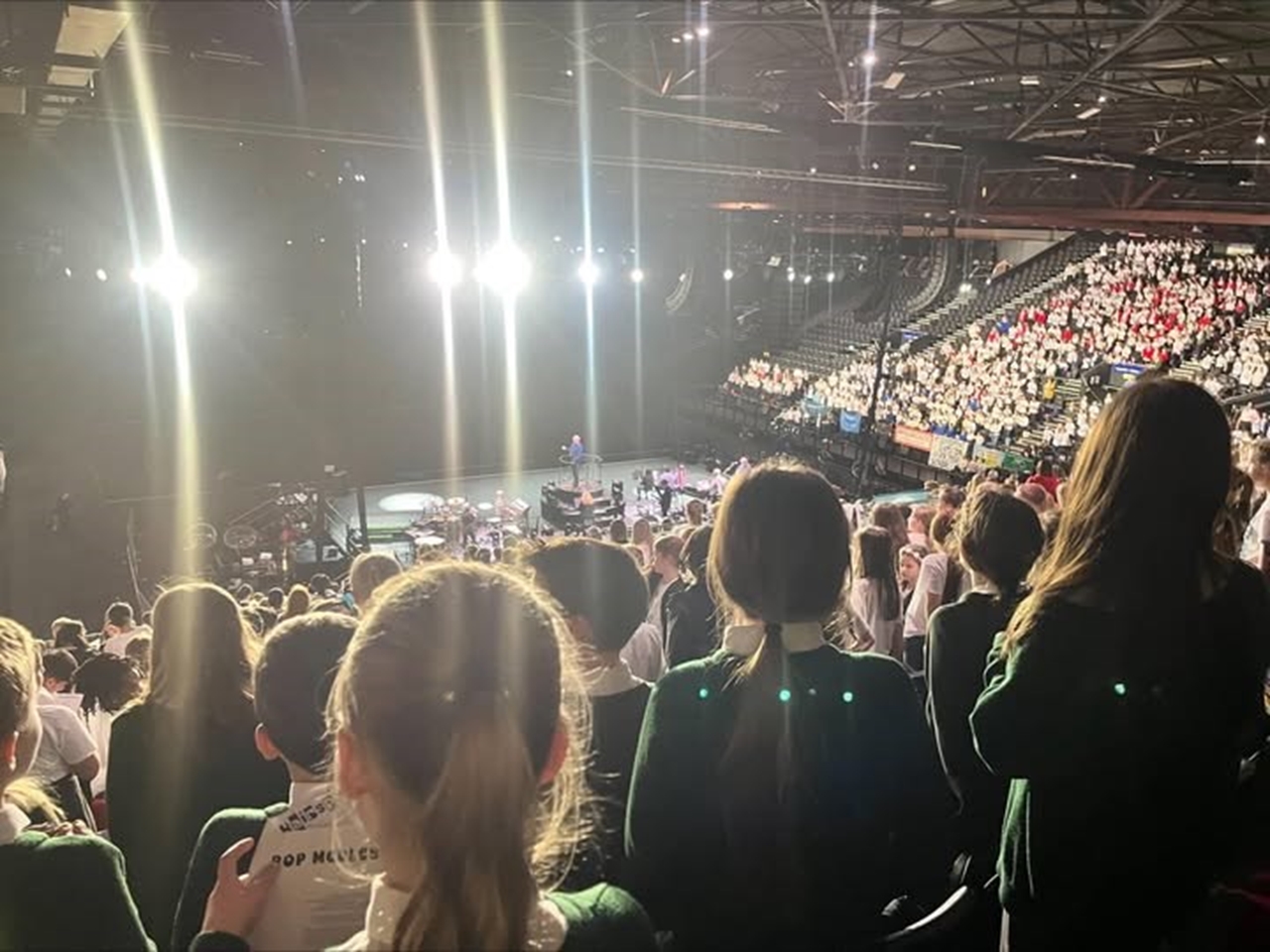
We have a very active choir who contribute greatly to our community - singing in local care homes, representing the school at Young Voices and singing at the Christmas light switch on in Wombourne.
We also offer parents/carers the opportunity to sign their child up to a paid service offered by RockSteady, the UK's leading provider of in-school rock/pop bands, which gives pupils the opportunity to play and perform in a band.
Implementation - How is the Music curriculum implemented?
In the Early Years, children begin to explore music through singing, movement, rhythm activities and play-based experiences, developing their awareness of sound, pulse and expression. As pupils move through Key Stages 1 and 2, they build upon this foundation through regular music lessons that introduce and revisit key musical concepts, including pulse, rhythm, pitch, tempo, dynamics, timbre, texture and notation.
Music lessons incorporate opportunities for pupils to listen to and appraise music from a wide range of genres, cultures and historical periods, broadening their musical awareness and appreciation. Children are encouraged to discuss, evaluate and reflect upon their own work and the work of others using appropriate musical vocabulary.
Impact - What progress will children make?
By the time pupils leave Westfield, they will:
-
Develop a love and appreciation of music, demonstrating enjoyment, curiosity and confidence when engaging with a wide range of musical styles, genres and traditions.
-
Perform with increasing confidence and skill, using their voices and a range of instruments, including the ocarina, recorder, ukulele and guitar.
-
Understand and apply key musical concepts, including pulse, rhythm, pitch, tempo, dynamics, timbre, texture and notation, enabling them to participate successfully in musical activities.
-
Listen to, analyse and evaluate music thoughtfully, using appropriate musical vocabulary to discuss and compare different pieces, performances and composers.
-
Compose and improvise music creatively, drawing upon their knowledge of musical elements to express ideas and emotions.
-
Demonstrate resilience, teamwork and self-confidence, developed through collaborative music-making, rehearsals and performance opportunities.
-
Appreciate the cultural significance of music, recognising how music reflects different times, places, communities and traditions around the world.
-
Retain and build upon musical knowledge and skills, enabling them to make clear connections between previous and new learning as they progress through the curriculum.
-
Be well prepared for secondary music education, with the knowledge, skills and enthusiasm needed to continue their musical journey and participate confidently in future musical opportunities.