Early Reading and Phonics

Our school has chosen Little Wandle Letters and Sounds Revised as our systematic, synthetic phonics (SSP) programme to teach early reading and spelling.
Early Reading and Phonics Intent
At Westfield Primary School, we are committed to ensuring that every child becomes a confident, fluent reader. We teach phonics through the Little Wandle Letters and Sounds Revised programme, a systematic and progressive approach that develops children's decoding, fluency and comprehension skills from the very start of their school journey.
We believe that reading is the key to unlocking learning across the curriculum and fostering a lifelong love of books. Through high-quality phonics teaching, carefully matched reading practice sessions and exposure to a rich range of texts, we ensure that all children develop the knowledge and skills needed to read accurately, confidently and with understanding.
Implementation - How do we teach Phonics and Early Reading?
Phonics is taught daily using the Little Wandle Letters and Sounds Revised programme. Lessons are delivered with fidelity to the programme, following a clear progression that enables children to build their phonics knowledge systematically from Reception onwards. New learning is introduced, practised and applied through engaging, interactive sessions that develop children's confidence in decoding and blending words.
Regular assessment ensures that children's progress is carefully monitored. Any child who requires additional support receives timely, targeted keep-up sessions to help them secure gaps in learning and stay on track with their peers.
Alongside daily phonics lessons, children participate in three Reading Practice Sessions each week. These small-group sessions use fully decodable books that are carefully matched to each child's current phonic knowledge. Each session has a specific focus:
- Session 1: Decoding – children apply their phonics knowledge to read words accurately.
- Session 2: Prosody – children develop fluency, expression and phrasing when reading aloud.
- Session 3: Comprehension – children discuss and demonstrate their understanding of the text.
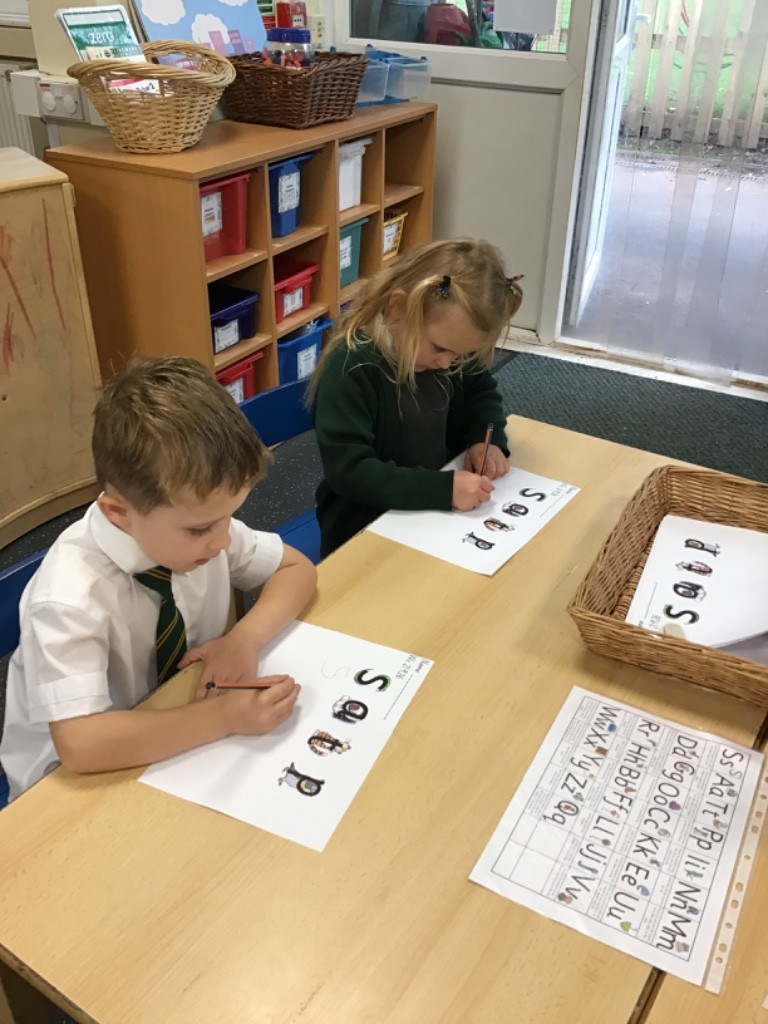
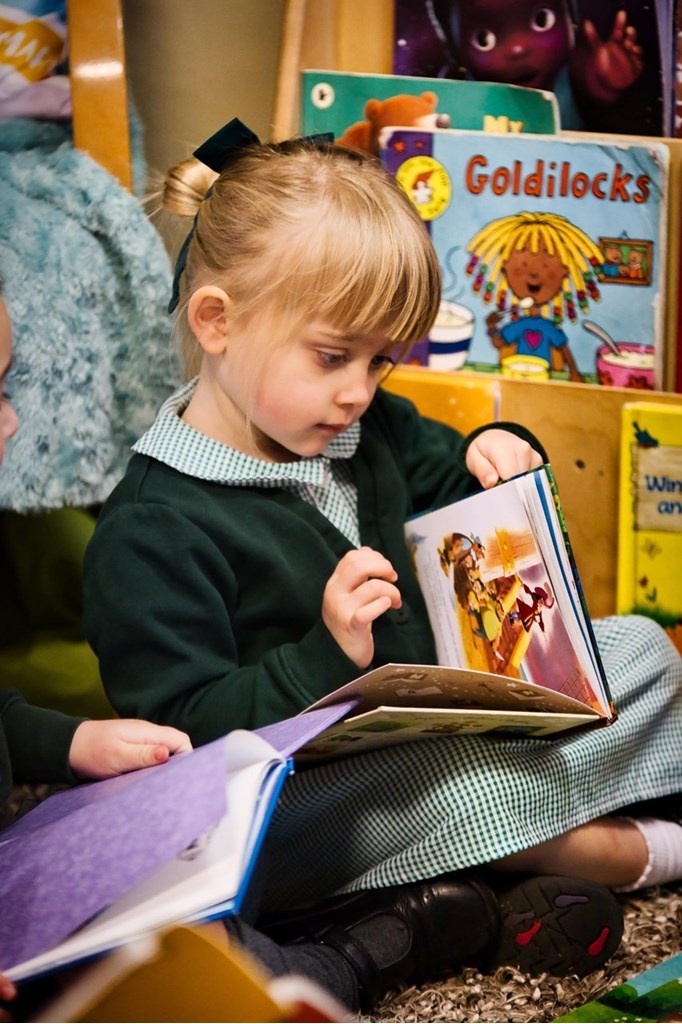
Children take home a reading practice book that closely matches their phonics stage, enabling them to practise and celebrate reading success with their families. In addition, they have access to a wide range of high-quality books and stories through daily class reading, helping to develop vocabulary, language comprehension and a lifelong love of reading.
Through this consistent and rigorous approach, all children are supported to become accurate, fluent and enthusiastic readers.
Click here for guidance on how we teach phonics and reading - Little Wandle - Support for Parents
Impact - What impact does our Early Reading and Phonics curriculum have?
The impact of our Little Wandle approach is that children become confident, fluent and enthusiastic readers. Through systematic phonics teaching and carefully matched reading practice sessions, pupils develop secure decoding skills, enabling them to read accurately and with increasing automaticity.
Children build strong foundations in reading from the earliest stages of school, allowing them to access the wider curriculum successfully and develop a lifelong love of reading. Regular assessment and timely intervention ensure that any gaps in learning are quickly identified and addressed, helping all pupils make strong progress.
As a result, pupils read with greater fluency, expression and understanding, demonstrate improved comprehension skills, and grow in confidence as independent learners. By the end of Key Stage 1, children are well prepared for the next stage of their reading journey, equipped with the skills needed to become successful readers throughout their education and beyond.